When youth enter foster care in an emergency situation, the environment they are placed in can shape what happens next — emotionally, behaviorally, and even physically. For EmberHope Connections, that reality prompted an important question: Are we providing not just a place to stay, but a place to heal and reduce trauma?
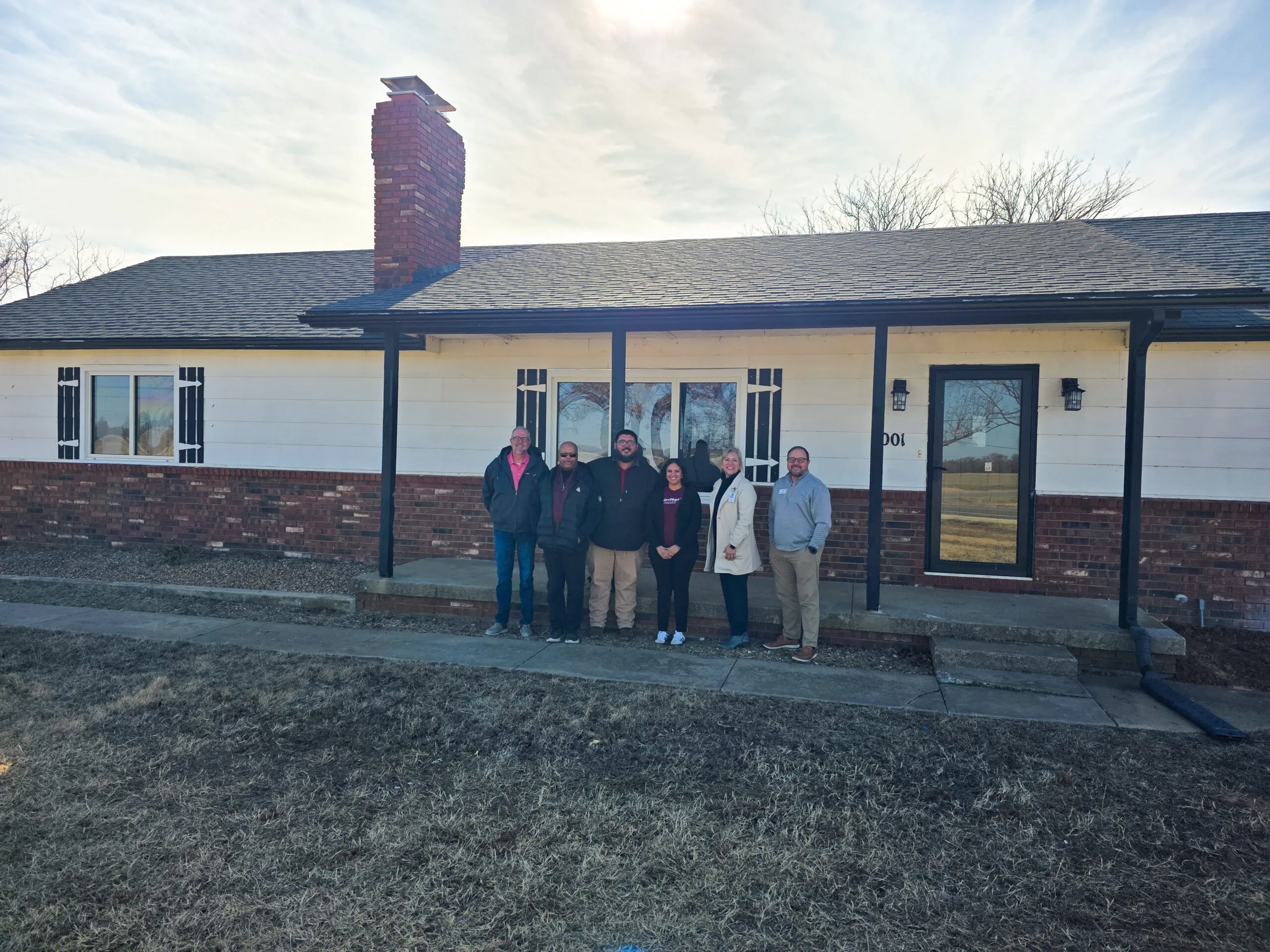
This question ultimately led to the purchase and full renovation of a new drop-in center located in a traditional family home in a rural area in Southwest Wichita. This space has been intentionally designed to serve youth in crisis while also supporting long-term permanency outcomes.
According to Warren Sheridan, VP of Permanency Services for EmberHope Connections, the decision to move away from a former downtown, facility-based model was driven by the needs of the youth themselves.
“Our previous location, while functional, was inherently limited by its architecture and environment,” Sheridan shared. “Operating out of an office building in a downtown setting introduced external risks and a sterile atmosphere that often ran counter to the de-escalation needs of youth in crisis. We needed a space that prioritized both safety and dignity.”
Why a Home Matters
 In child welfare, the concept of “normalcy”, for a child, is critical — and often difficult to achieve.
Traditional emergency placement facilities can unintentionally feel institutional, triggering stress responses in youth who have already experienced significant trauma. By contrast, a single-family home in a peaceful, rural setting offers something very different: quiet, privacy, and a sense of comfort.
“A traditional facility, with its industrial hallways and institutional feel, can inadvertently trigger a ‘fight or flight’ response,” Sheridan explained. “By placing this drop-in center in a single-family home, we provide an environment that suggests safety and belonging. It allows our youth to decompress in a space that looks like a neighborhood home, which is essential for emotional regulation and building initial trust.”
At the same time, the home was remodeled using the same high-durability construction materials found in EmberHope’s Psychiatric Residential Treatment Facility (PRTF), ensuring the space can safely support youth while still feeling like a home rather than a hospital or office building.
A Soft Landing in Moments of Crisis
When a young person arrives at the drop-in center, the goal is to achieve immediate physical and emotional stability.
“The initial few hours are focused entirely on stabilization and ‘soft landing,’” said Sheridan. “Youth aren’t met with cold intakes, but rather the comforts of home — a warm meal, a private bed, and a quiet environment.”
While the hope is always to find a placement as quickly as possible, Sheridan acknowledged that securing appropriate placement can sometimes take time. In those cases, the home continues to provide stability while staff work to remove barriers to long-term placement.
“The first few days involve gentle observation and establishing connection. We focus on meeting immediate needs and allowing the dust to settle before moving into more complex planning for next steps,” Sheridan explained.
Supporting Permanency, Not Just Emergency Care
Importantly, the drop-in center is not just a crisis stopgap. It plays a key role in helping youth reach permanency.
“Permanency is rarely achieved in a vacuum of crisis,” Sheridan said. “By providing a stable, high-quality environment during the drop-in phase, we can conduct better assessments of a youth’s needs, which leads to more informed placement decisions and reduces the likelihood of future disruptions.”
Whether the youth’s path leads to reunification, foster care, or adoption, the clarity gained during this stabilization period can make all the difference.
Trauma-Informed Staff and Relational Care
The care youth receive inside the home is just as important as the space itself.
Staff are trained in trauma-informed care and Safe Crisis Management, focusing on being a calm, consistent presence during highly stressful moments.
“Because the home integrates the structural integrity of a PRTF into a domestic layout, staff can focus less on monitoring a facility and more on building relationships,” Sheridan shared. “That relational engagement is where healing begins.”
Setting a New Standard for Emergency Care
For EmberHope, this new home represents more than a program expansion — it reflects a deeper commitment to doing what is truly best for youth.
“This is a move from ‘making do’ to ‘doing what is best,’” Sheridan explained. “It signals to our youth that they are worth the investment of a beautiful, durable, and safe space, which is a powerful message to send to someone who may be feeling unvalued by the system.”
He also emphasized the importance of the support that made this possible.
“This home is the physical manifestation of our mission — a synthesis of clinical rigor and genuine compassion. We are deeply grateful for the investment from EmberHope, Inc., which has allowed us to staff this program at a level that ensures every youth receives the individual attention necessary to feel truly seen.”
Help Make More Spaces Like This Possible
This drop-in home is one example of how intentional spaces, trained staff, and community support can come together to change outcomes for vulnerable youth. But the need continues — and so does the opportunity to do more and get involved.
If you are passionate about helping children experience safety, dignity, and hope during their most difficult moments, consider making a gift to EmberHope. Your support helps fund critical programs and future projects that create safe, healing environments for youth across Kansas.
Together, we can build more places where healing begins and permanency becomes possible.