Through education, advocacy, and consistent support, EmberHope’s Human Trafficking & Special Response team confronts a reality that reaches into Kansas communities.
Kansas is home to wide-open spaces, small towns, and communities where neighbors look out for one another. And while those connections are worth celebrating, they also carry a responsibility to recognize when someone may be experiencing harm.
Despite what many would like to believe, it is important to know a fundamental truth: human trafficking happens here. Our state’s rural character does not make its children, families, or communities immune to exploitation.
For Kansans who have experiecing trafficking and its lasting effects, this is a daily reality. For EmberHope’s Human Trafficking & Special Response team, it is the reason behind their commitment to educate, advocate, and keep showing up for young people.
“And despite popular belief, it does happen here,” shares Roxanne Parker, Special Response Coordinator for EmberHope. Parker has also previously served as a CPS worker as well as a Secure Care case manager.
Parker emphasizes that understanding that reality is the first step toward helping change it.
What the Kansas Numbers Tell Us
In 2025, the National Human Trafficking Hotline received 179 signals related to Kansas, contacts made through calls, texts, online reports, web chats, and email. The Hotline identified 105 trafficking cases involving 130 victims. Sex trafficking was the most frequently identified type, with additional cases involving labor trafficking or both sex and labor trafficking.
Since 2007, the Hotline has received 3,352 Kansas signals and identified 1,039 cases involving 1,891 victims.
These figures represent situations brought to the Hotline’s attention. They are not a complete count of trafficking in Kansas, and the people represented include adults and children. A Hotline “case” also does not necessarily indicate a law enforcement investigation.
Behind those numbers are people whose safety, relationships, and futures have been affected by exploitation. Recognizing that trafficking happens in Kansas helps communities take prevention and support seriously.
Recognizing Exploitation in Our Own Communities
In order to help combat trafficking, is it vital to understand what it means. When someone thinks of human trafficking, they may only consider sex trafficking. However, labor trafficking is also a concerning issue. Understanding both helps people recognize exploitation in more than one setting.
Child sex trafficking involves the exchange of something of value, such as money, shelter, food, or clothing, for a sex act involving someone younger than 18. It affects children across all ages and backgrounds and occurs in all different settings, including urban, suburban, and rural communities.
Parker emphasizes that exploitation can involve people a young person already knows: friends, romantic partners, family members, or trusted adults. That reality makes education essential. Adults need to understand how trust can be manipulated and why a young person may struggle to recognize or talk about what is happening.
“We cannot stomp out trafficking without knowing what it is and how it affects our youth first,” Parker stated.
At EmberHope, that education reaches colleagues, young people, and the broader public. The goal is to help more people recognize concerns, respond with compassion, and connect someone with support.
Seeing the Young Person Behind the Circumstances
For children who have experienced trafficking, safety and healing require adults who are willing to listen and remain present through difficult moments.
Abbygail Landwehr, Human Trafficking & Special Response Coordinator, found her calling in that work. “God called me to work in child and family well-being, when I answered the call two years ago, I wasn’t necessarily sure what I was getting myself into.”
While working in placements, Landwehr got to know young people through team meetings, after-hours calls, and collaboration with colleagues. Those experiences made the importance of consistent advocacy clear.
“What I quickly realized is that these kids deserve someone who advocates for them, listens to them without judgement, and doesn’t give up on them when life gets hard.”
Parker’s earlier work in child protective services and secure care shaped a similar commitment. She recognized the importance of advocating for youth who had experienced trafficking or developed patterns of leaving placements as a way to cope.
Both coordinators emphasize that children did not ask to enter foster care. They deserve adults who recognize their strengths, take their experiences seriously, and help them see possibilities for their futures.
“It is rewarding when you can see them learn to advocate for themselves and become proud of their own accomplishments, and we get to help make that happen,” Parker explained.
Supporting Safety, Stability, and Hope
Young people involved within the child and family well-being system may face vulnerabilities connected to trauma, disrupted relationships, and placement instability. Children who are missing from care face an increased risk of sex trafficking, making safe relationships and stable support particularly important. Responsibility for exploitation always rests with the person causing harm.
EmberHope’s team helps address those concerns by screening youth for risk factors, providing education about trafficking and safety, and advocating for young people throughout their foster care journey.
Their work also involves helping youth recognize their own worth and supporting progress toward goals that matter to them.
Landwehr describes the joy of seeing young people become stable in placement, graduate from high school, pursue college, and find employment. Those accomplishments reflect the young people’s effort and determination, supported by people who continue to believe in them.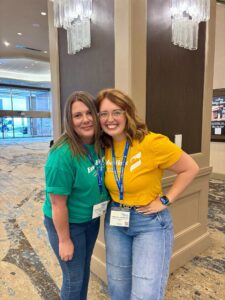
Sometimes, those relationships extend beyond foster care. “We have kids who are now adults and have been released of custody that will call and update us on their lives,” Landwehr shared.
Parker receives those calls, too. “I still hear from youth that I have worked with in the past, who are now adults, and it makes my heart smile when they call and are excited about the things they are doing on their own now.”
Each update is a reminder of how meaningful a steady, caring relationship can be.
Bringing Knowledge Into the Community
Protecting children and families takes an informed community. That is why individuals such as Landwehr and Parker make education an integral part of their work.
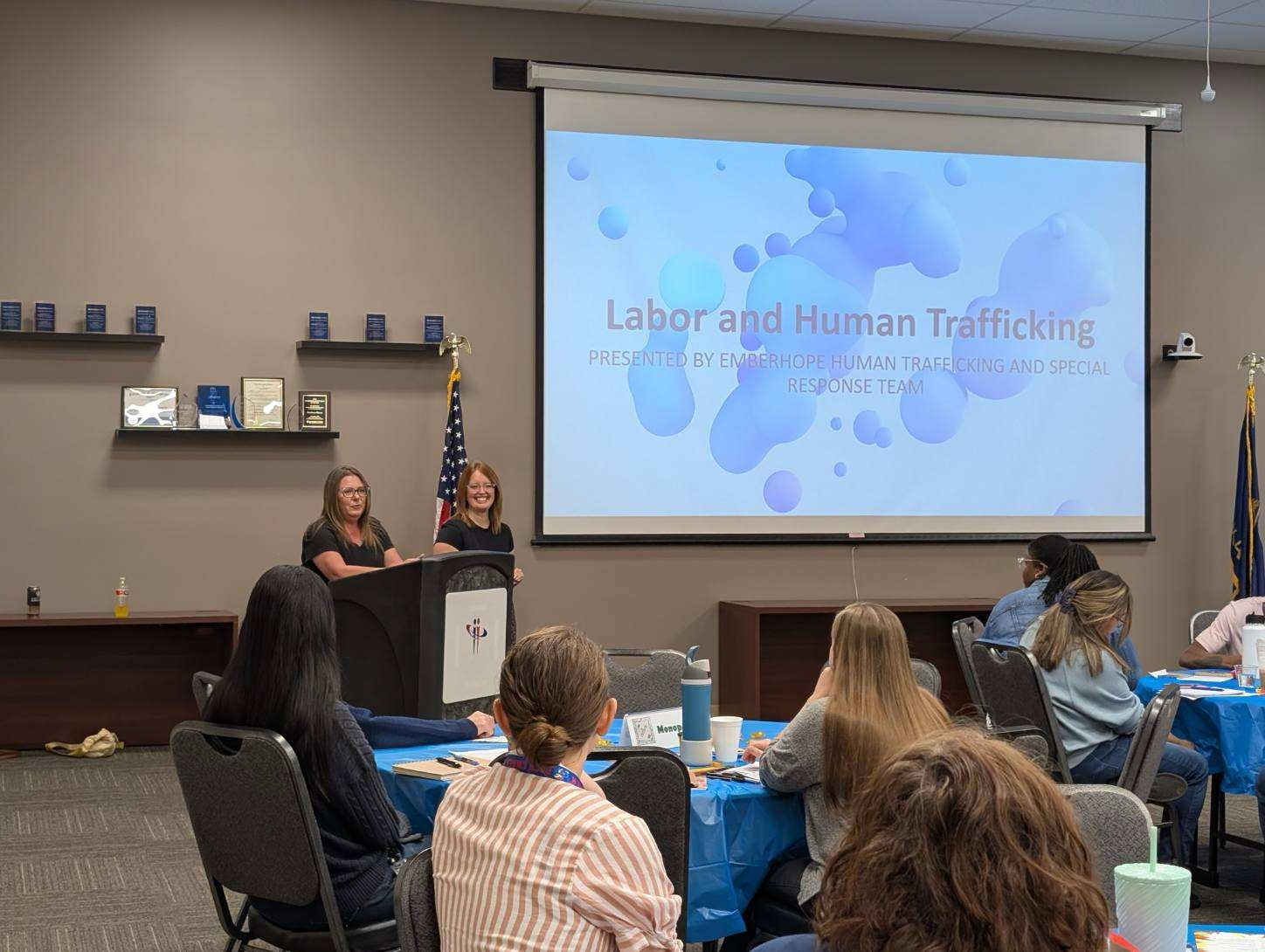
They help EmberHope team members better understand trafficking and welcome opportunities to speak with community organizations. During a recent presentation at the Workforce Center in Wichita, they discussed labor trafficking as part of the broader issue of human trafficking.
“Education is so important in order for community to recognize what is happening in their own back yard,” Parker stated.
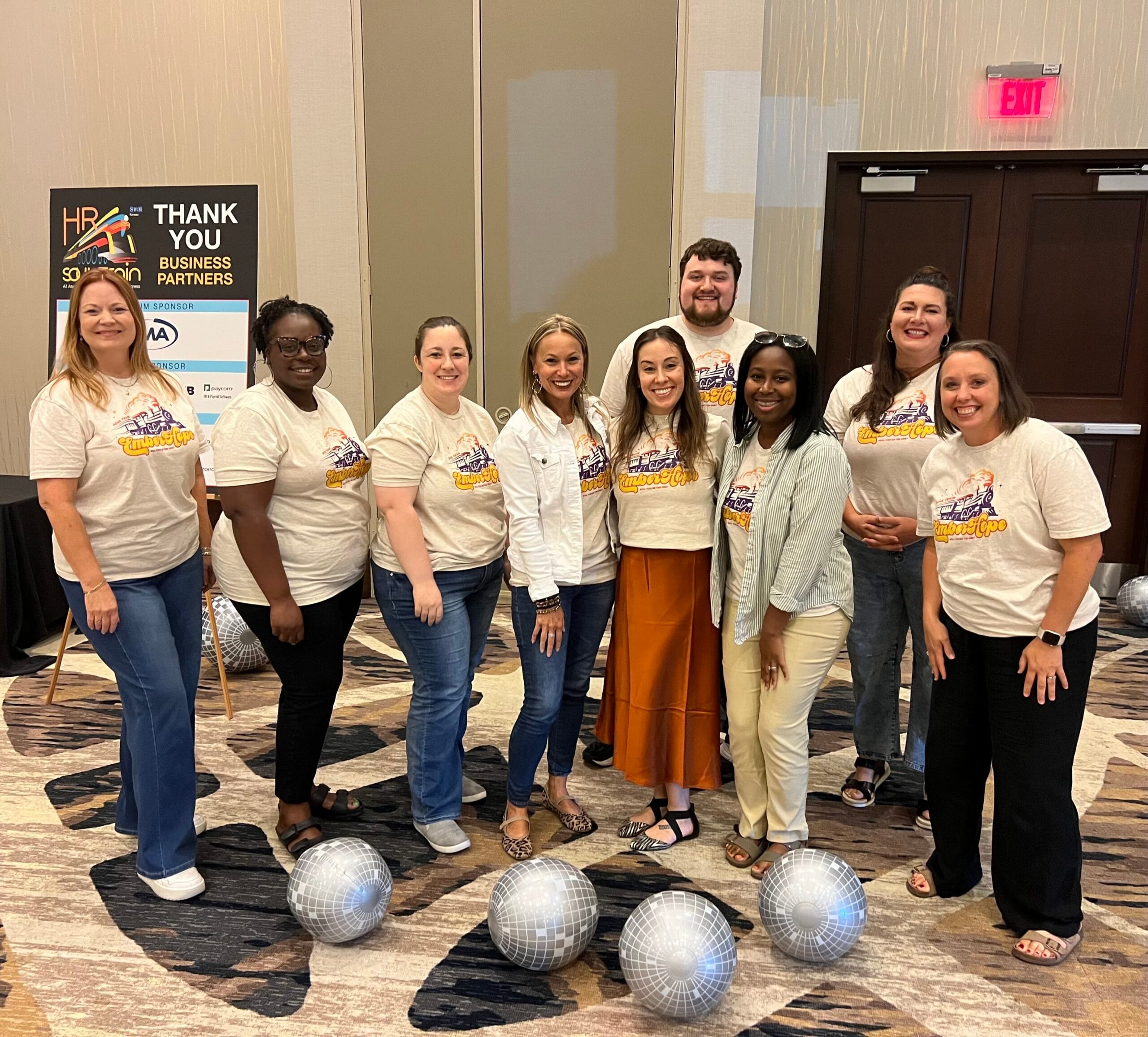
Their commitment to learning also takes them beyond the communities they serve. In January 2026, the team attended a Legislative Open House in Topeka at the invitation of Dr. Sharon Sullivan with the International Public Policy Institute, connecting with legislators and colleagues around protections for trafficking victims and survivors.
In August, they attended the Crimes Against Children Conference in Dallas, learning from professionals in the field and bringing that knowledge back to Kansas. These experiences strengthen the education and advocacy they provide, helping more people understand their role in protecting children.
A Safer Kansas Starts With People Willing to Listen
When asked what caring adults should do, Parked emphasized that it all begins with connection. “Communication is key. Learn to listen and listen without judgement.”
Warning signs may include a controlling companion, unexplained injuries, fearfulness, or sudden changes in behavior or possessions. These signs do not prove trafficking is occurring, but they can signal a reason to seek informed support. Learning how to recognize and respond to concerns gives families, churches, businesses, and community organizations a meaningful way to help.
EmberHope’s Human Trafficking & Special Response team welcomes requests for education and presentations. Community members can also support incentive programs that encourage youth as they work toward stability.
Kansas communities have the capacity to surround children and families with knowledge, compassion, and support. Doing so begins with acknowledging that trafficking happens here, and choosing to take action.
Take Action for Kansas Children Today
Will you be the one to help build a safer Kansas? Invite EmberHope’s team to speak with your organization, learn how to recognize exploitation, or support their work with young people. Every informed adult and every caring connection can help strengthen the community surrounding a child.
To request education or learn how to help: absentyouthtracking@emberhope.org
If someone is in immediate danger, call 911. For trafficking-related support or to report a concern, call the National Human Trafficking Hotline at 1-888-373-7888 or text 233733.